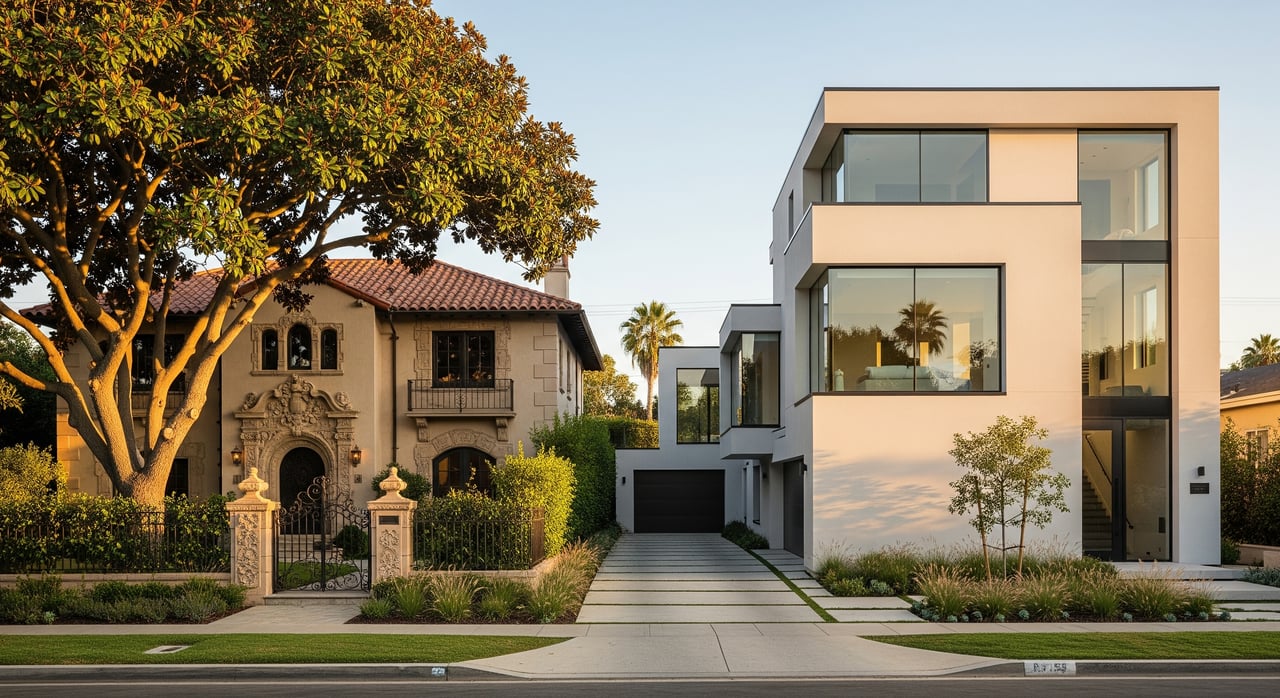
Are you torn between the romance of a 1920s estate and the ease of a brand-new home in Hancock Park? You’re not alone. Many buyers here weigh architectural character against modern convenience, especially when every block tells a slightly different story. In this guide, you’ll learn what sets historic estates and newer builds apart in Hancock Park, how upkeep and regulations factor in, and a clear framework to make your best move. Let’s dive in.
Hancock Park in context
Hancock Park is known for tree-lined streets, deep setbacks, and architecturally significant homes on generous lots. Its central location places you near cultural and commercial hubs, which adds to long-term desirability. Some blocks are almost fully preserved, while others include tasteful infill or new construction. This block-by-block variation strongly influences how a property lives and how it resells.
Historic estates: what you’ll love
Historic estates in Hancock Park often feature period revival architecture, including Spanish Colonial Revival, Tudor Revival, and Mediterranean styles. You’ll see custom millwork, plaster walls, hardwood floors, and wrought iron details. Mature landscaping and formal frontages contribute to privacy and a sense of permanence.
Floor plan and daily flow
These homes typically offer formal living and dining rooms with defined circulation. Kitchens were smaller originally, though many have been updated. Bedrooms may be more modest by today’s standards, but built-ins and original details often add charm and utility. The layout suits quiet mornings and elegant entertaining.
Systems and performance
Older homes may still carry earlier-era systems. Expect potential upgrades to electrical panels and wiring, plumbing materials, insulation, windows, and seismic reinforcements. Energy performance can lag compared to new construction, so plan for improvements if efficiency is a priority.
Maintenance reality
Budgeting is different with historic estates. A common rule of thumb suggests 1 to 3 percent of a home’s value per year for upkeep, but older, high-finish estates often require more. Many advisors recommend planning for about 2 to 5 percent of property value annually, depending on condition and scale. You may encounter wood rot, termite work, lead-based paint or asbestos in some finishes, aging HVAC, and foundation or chimney retrofits.
Safety and insurance
Seismic improvements matter in Los Angeles. Chimney bracing, cripple wall bolting, and foundation assessments are important. Insurance can cost more if original systems or high-end finishes increase replacement value. Some insurers may request system updates before binding coverage.
New builds: what stands out
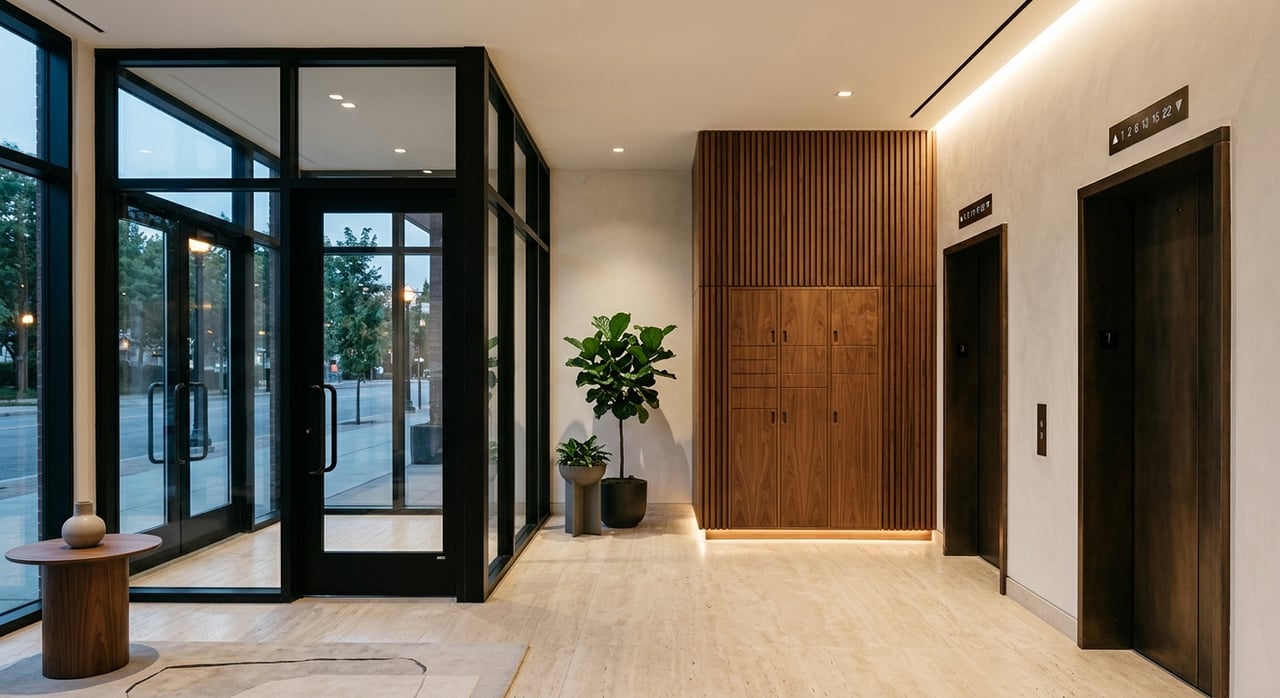
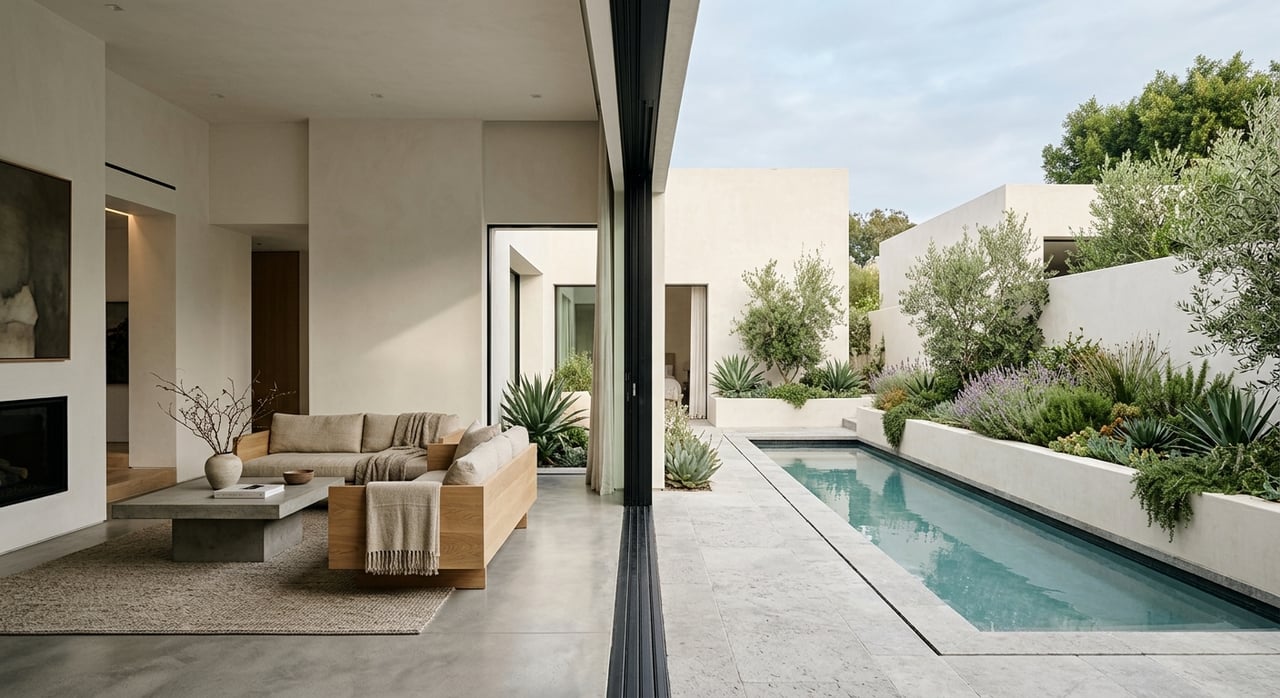
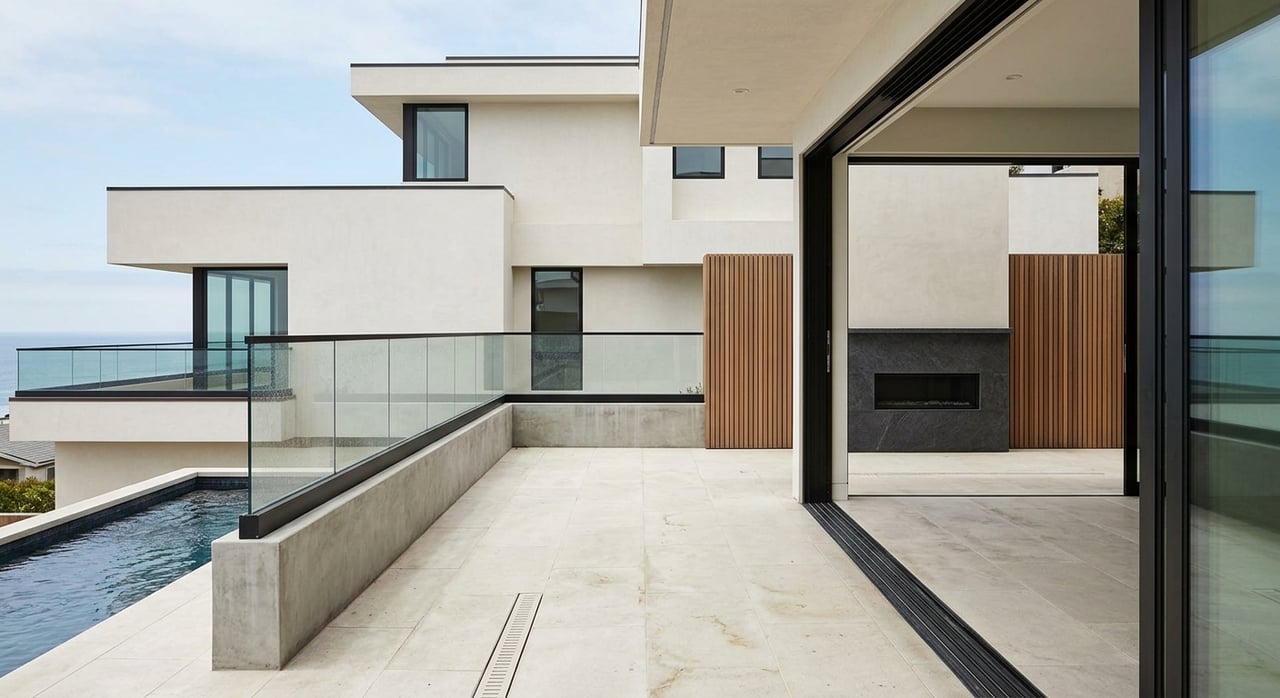
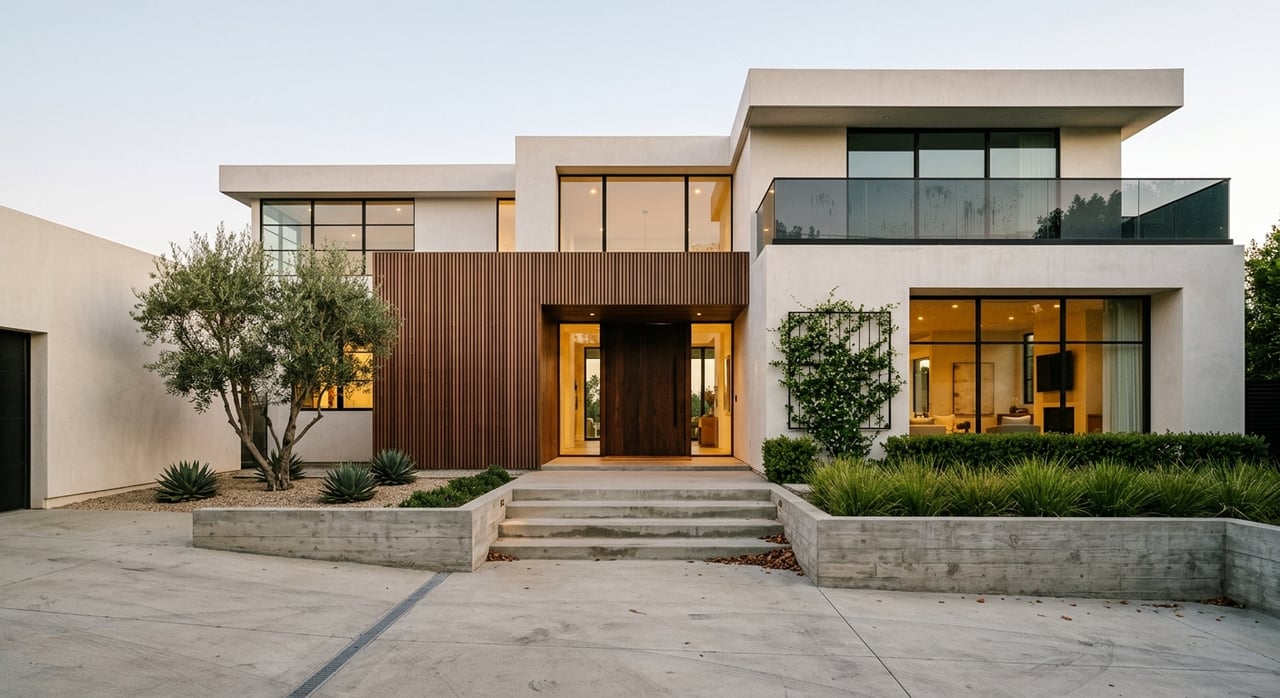
New construction in Hancock Park leans contemporary or modern-traditional in scale and finish. Expect open-plan living with high ceilings, large glass openings, and seamless indoor to outdoor transitions. Outdoor areas often center around a pool, terrace, or covered lounge.
Modern layout and amenity mix
You’ll likely find great rooms that combine kitchen, dining, and living zones for easy entertaining. New builds typically include more bathrooms, larger closets, dedicated office or media spaces, and utility areas that support daily life. The design emphasizes flexibility and convenience.
Codes, efficiency, and tech
Modern homes are built to current code with contemporary insulation and high-performance glazing. HVAC systems tend to be efficient, and wiring often supports smart-home features, EV readiness, and today’s power needs. This can reduce operating costs and simplify maintenance in the early years.
Early ownership upkeep
While construction quality varies by builder, new homes commonly include warranty periods that cover systems and finishes for defined terms. You may see minor settling or punch-list items, but overall upfront maintenance is typically lower compared to historic estates.
Neighborhood fit
Hancock Park values scale and context. New builds that respect massing, setbacks, and the neighborhood’s character tend to enjoy stronger market reception. Those that align with the block’s rhythm can command premium pricing.
Rules and preservation: what to know
Historic designation and neighborhood context shape what you can change. Before drawing plans, confirm whether a home is subject to local historic review.
Historic review and approvals
Exterior changes to designated properties often require review by preservation authorities. This process can influence materials and design, which adds time and planning to your renovation. Expect to provide documentation that shows how you will preserve contributing features.
Mills Act basics
The Mills Act can reduce property taxes for qualifying historic properties in exchange for a preservation commitment. It is administered locally and requires an application and contract. If eligible, it may offset some ongoing stewardship costs while encouraging sensitive care of the home.
Permits and timelines
Historic projects often need more documentation, such as historic resource reports and detailed plans. Early due diligence with the City of Los Angeles and the Department of Building and Safety helps you anticipate timing, required reports, and potential constraints.
Resale dynamics in Hancock Park
Both historic and new properties can deliver strong long-term value here. Your choice should match your lifestyle and your tolerance for ongoing maintenance or renovation.
Buyer demand by segment
Historic estates offer uniqueness, prestige, and large lots that many buyers value. Some buyers prefer fully preserved homes, while others want the canvas for a sensitive restoration. New builds appeal to those who prioritize turnkey living, energy efficiency, and open-plan design.
The micro-market effect
Resale outcomes are block-dependent. A beautifully preserved historic property on a desirable block can outperform a new build nearby, and a well-executed new home on a premium block can achieve top dollar. Evaluate the block’s consistency, recent development, and how the home fits its surroundings.
Data to gather before you bid
- Recent sales (1 to 3 years) of similar historic and new homes on the same or adjacent blocks.
- Price per square foot trends by property type.
- Days on market and list-to-sale price ratios.
- Permit history, scope of prior renovations, and quality of work.
- Property tax history and potential Mills Act status for historic homes.
A decision framework you can use
Use this simple process to clarify your choice and protect your timeline and budget.
Step A: Define priorities and constraints
- Lifestyle: formal entertaining or open-plan gatherings; number of bedrooms; office and media needs; desired pool and outdoor living.
- Time horizon: shorter-term or long-term ownership. Historic stewardship can be rewarding over time.
- Budget: purchase price, renovation reserve, and annual maintenance. For historic rehab, add a 20 to 30 percent contingency for surprises.
- Access and proximity: identify commute and proximity priorities that matter to you.
Step B: Physical inspection checklist
- Exterior and site: roof age, drainage and slope, retaining walls, driveway and garage capacity, and mature tree roots near foundations.
- Structural and envelope: settlement signs, stucco or wood siding condition, chimney stability, window type and insulation, and attic insulation.
- Mechanical: HVAC age and service records, electrical panel capacity and wiring type, plumbing material and visible corrosion, water heater age.
- Interior and finish: plaster and millwork condition, flooring and stair details, and original features to preserve.
- Safety and compliance: smoke and CO detectors, signs of lead paint or asbestos-containing materials, visible seismic retrofits.
- Block context: street parking patterns, noise at different times, privacy and sightlines, and block consistency.
Step C: Permitting and timeline
- Confirm zoning and allowable uses, including potential for accessory units.
- Verify historic overlay or landmark status and likely review requirements.
- Pull permit history and check for open code matters.
- Confirm utility capacity for planned changes, such as additional HVAC or kitchen upgrades.
Step D: Financial and risk plan
- Get a preservation architect’s opinion for historic homes and a modern residential architect or GC estimate for new builds.
- Include contingencies for hazardous material abatement and hidden structural needs.
- Compare insurance quotes for both property types.
- Evaluate property tax implications and explore Mills Act eligibility for qualifying historic homes.
Step E: Assemble your team
- Real estate agent with Hancock Park experience in both historic and new-construction transactions.
- Historic preservation consultant or architect for heritage properties.
- General contractor experienced in historic restoration or high-end modern builds.
- Structural engineer for foundation and seismic evaluations.
- Title and survey professionals to check easements and any covenants.
- A permitting or land-use expert for local approvals.
Tour strategy: evaluate block by block
Plan to view multiple homes on the same block at different times. You will see changes in light, noise, and traffic patterns that affect daily life. Walk the street to observe setbacks, landscaping, and any teardown or infill activity that may change the block’s feel. Photograph key details and compare lot sizes, footprints, and sightlines to neighboring homes.
When touring a historic property, ask about prior restorations, preservation easements, and consultant lists. Request seller disclosures, permit history, and recent utility bills to gauge operating costs. For a new build, confirm warranties and who will handle punch-list items after closing.
Quick comparison checklist
- Architectural character: Historic estates provide original detailing and mature landscapes. New builds deliver fresh finishes, light, and indoor to outdoor flow.
- Layout: Historic means defined rooms and formality. New construction favors open plans and larger bathrooms and closets.
- Systems: Historic may require upgrades to wiring, plumbing, insulation, and seismic. New builds meet current codes with efficient systems.
- Maintenance: Plan 2 to 5 percent of value annually for older estates, depending on scale. New builds usually run lower at the start.
- Regulations: Historic exteriors may need review and approved materials. New builds still must respect neighborhood scale and context.
- Resale: Both can perform well here. The right block, fit, and execution matter more than the label of old or new.
Next steps
If you love the craftsmanship of a historic estate and you are ready for stewardship, Hancock Park offers extraordinary opportunities. If you want turnkey luxury with modern efficiency, a new build can deliver a seamless daily experience. Either path can be a smart move in this neighborhood when you buy with a clear plan and the right team.
For a discreet, design-forward search or sale strategy in Hancock Park, tailored to your priorities and timeline, connect with Joslin Cuthbertson’s private-client advisory. Get curated on and off-market options, block-by-block analysis, and white-glove coordination from first tour to final keys. Start a confidential conversation with Joslin Cuthbertson.
FAQs
What defines a “historic” home in Hancock Park?
- In Los Angeles, historic status can include local designations or properties within conservation areas. Confirm a property’s designation before planning exterior changes.
How much should I budget for a historic estate each year?
- Many advisors recommend planning about 2 to 5 percent of the property’s value annually for older, high-finish homes, depending on condition and scale.
What is the Mills Act and how can it help?
- The Mills Act is a California program that can reduce property taxes for qualifying historic properties in exchange for a preservation agreement administered locally.
Are new builds more energy efficient than historic homes?
- Newer homes are built to current codes with modern insulation and high-performance glazing, which typically improves efficiency compared to older systems.
How does the block influence resale in Hancock Park?
- Resale is highly block-dependent. A home that fits the block’s scale and character on a desirable street tends to outperform similar homes on less consistent blocks.
What inspections are essential before buying a historic home?
- In addition to a general inspection, consider electrical and plumbing assessments, structural and seismic evaluations, and reviews for lead-based paint or asbestos.
Do new builds come with warranties?
- Many do, with coverage that can range from systems to certain finishes. Review warranty terms, coverage periods, and who handles post-close punch-list items.
Can I add an ADU to either property type?
- Check zoning, utilities, and any historic review requirements first. Confirm feasibility early so you can plan for approvals and infrastructure needs.