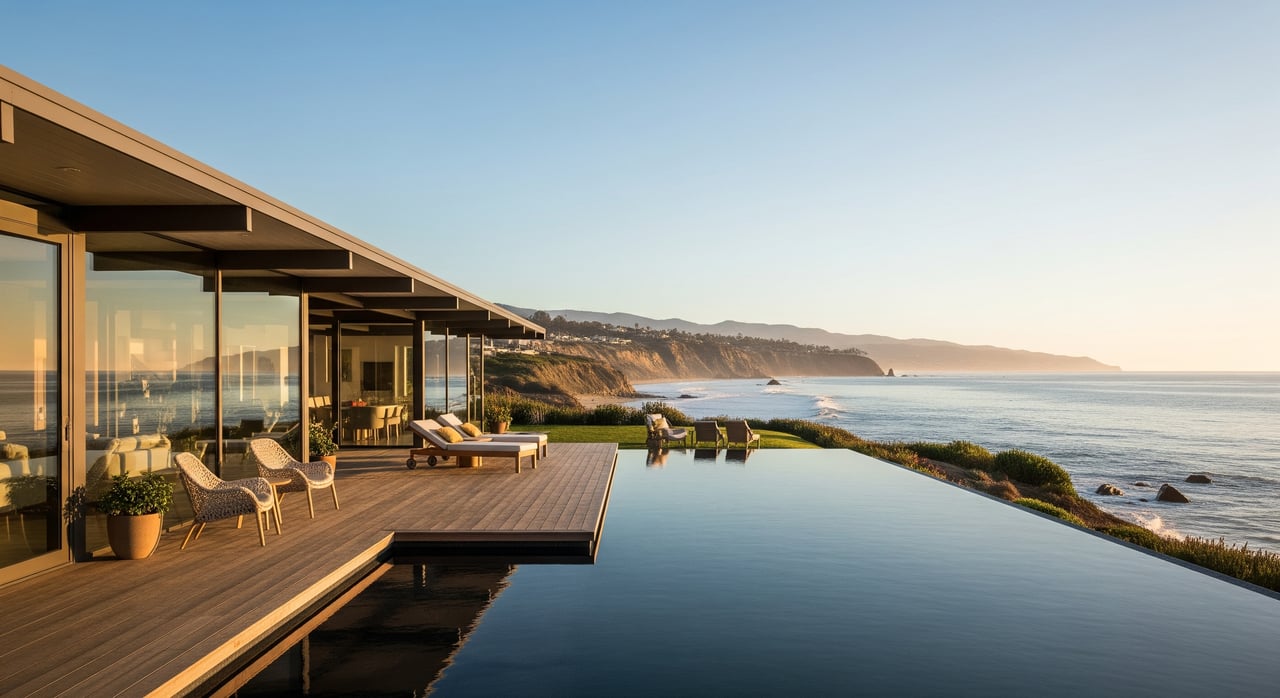
Thinking about selling your Malibu beach home but unsure when to make your move? Timing along the coast works differently than it does inland, and the right launch window can add real leverage to your sale. You want the light, the tide, the buyers and the logistics to line up. In this guide, you’ll learn the best seasons to list, how to build a pre-listing calendar, and the coastal details that make a measurable difference. Let’s dive in.
Malibu selling seasons at a glance
Malibu attracts a mix of full-time residents, second-home owners and seasonal visitors. That mix creates unique rhythms for listing and showing.
- Spring and early fall are the most reliable listing windows for marketability and access.
- Summer can work for certain luxury listings if privacy and logistics are tightly controlled.
- Winter is a viable option for motivated sellers willing to be flexible on price and showings.
Bottom line: spring and early fall are your highest-probability windows. The specifics can shift by street or enclave, which is why a tailored plan matters.
Spring advantages (March to May)
Days are longer, weather improves, and landscapes recover from winter. Buyer activity ramps after the holidays, and families targeting a summer move start touring. Photography conditions often improve, and outdoor areas present well.
Early fall advantages (September to October)
Tourism begins to taper, skies often clear after the summer marine layer, and buyers return from summer travel. You can showcase late-afternoon light and calmer weekday access. This period avoids the year-end holiday slowdown.
When summer still works
June through August brings heavy beach traffic, short-term rental activity and crowded weekends. That can complicate showings and photography. For very high-end properties, summer can still be productive if you control privacy, limit showings to weekdays and curate qualified buyers who are already in town.
Winter as a fallback
From November to February there are fewer active tours and shorter days, with the possibility of storms. Motivated buyers can still be present. Success in winter usually relies on flexible pricing, selective showings and strong presentation.
Create a pre-listing calendar
Turn the right season into a clear plan. An 8 to 12 week runway lets you handle coastal-specific prep without rushing.
Weeks 8 to 12: Strategy and research
- Hold a pre-listing consultation to select your target launch window based on goals, neighborhood patterns and local events.
- Analyze neighborhood comps and days on market over the past 12 to 36 months to spot seasonal trends.
- Order key reports: Natural Hazard Disclosure and preliminary title. If applicable, review HOA or private beach rules.
- If the home is bluff-adjacent or shows erosion indicators, schedule a geotechnical assessment.
Weeks 6 to 8: Inspections and repairs
- Complete a general inspection plus pest, HVAC and roof checks. Inspect for salt-air corrosion on windows, doors and railings.
- Tackle preventative work: sealants, exterior paint touch-ups and deck hardware maintenance.
Weeks 4 to 6: Staging, landscape and permits
- Hire a stager experienced with coastal properties. Declutter and remove overly personal items.
- Refresh soft landscaping with drought and salt-tolerant plantings. Trim vegetation to open ocean view corridors.
- Verify permits for any recent exterior work. Confirm City of Malibu or Coastal Commission requirements where applicable.
Weeks 2 to 4: Marketing prep
- Schedule professional photography, including twilight, and coordinate drone video if appropriate. Time shoots to ideal tide and light conditions.
- Produce floor plans and high-quality marketing materials that emphasize indoor and outdoor flow.
Launch week and first 2 to 3 weeks
- Soft market to vetted brokers midweek.
- Go live Tuesday to Thursday to capture broker activity and weekday buyer searches. Avoid holiday weekends with atypical traffic.
- Monitor inquiries and feedback. Adjust showing cadence and consider a private broker breakfast or invite-only twilight event.
Nail photography, tides and light
Imagery drives attention in Malibu. Plan your shoot around the ocean’s mood and the sky’s reliability.
Time your shoot to the tide
- Low tide reveals wider sand and access paths. Use it if beach width is a key selling point.
- High tide brings the waterline closer for dramatic proximity to surf. Use it if the experience of waves near the deck is a highlight.
- Coordinate with local tide charts and set a backup day in case conditions shift.
Work around the marine layer
“June Gloom” can flatten light, especially in late spring and early summer mornings. For west-facing views, aim for late afternoon into golden hour. For interiors and east-facing angles, mornings can be lovely on clear days, but late afternoon is often more consistent outside peak marine-layer months.
Capture golden hour and twilight
Twilight composites are high-impact for ocean-facing homes. Plan a session that captures interiors during the day and exteriors at twilight. This often requires an extended shoot or two coordinated sessions.
Use drones with care
Aerials help buyers understand beachfront context and access. Work with certified operators who follow FAA rules and any local limitations. Be mindful of privacy and avoid filming over neighboring properties or crowds without permissions.
Brief your photographer
- Provide target tide and time, priority angles and must-have interior and exterior shots.
- Include neighborhood context shots such as street approach and beach access.
- Confirm privacy constraints and avoid capturing neighboring homes without consent.
- Complete staging the day before and walk the property to finalize angles.
Plan showings around privacy and traffic
The Pacific Coast Highway is Malibu’s main artery, and weekend beach traffic is real. Align showings with access and discretion.
Choose times that work
- Broker previews: Tuesday or Wednesday mornings with prior vetting.
- Private buyer showings: Tuesday to Thursday afternoons or early evenings.
- Avoid Friday late afternoons and peak weekend midday windows unless buyers are specifically in town to tour.
- Open houses are not ideal for high-privacy or celebrity properties. If used, keep them invite-only with pre-registration and security.
Privacy and security protocols
- Consider suppressing the street address in public marketing and releasing details to qualified parties only.
- Require broker representation or buyer pre-qualification before scheduling tours.
- Use confidentiality agreements for ultra-high-value listings when appropriate.
- Coordinate a parking plan and staging area away from the main entry.
Parking and guest logistics
Many enclaves have limited parking or strict rules. Send parking instructions in advance and, for larger broker events, consider a parking attendant. Respect private beach access lanes and easements, and give clear guidance to visitors.
Stage for coastal buyers
Presentation should highlight the ocean lifestyle while keeping the look tailored and low-maintenance.
Design choices that sell
- Emphasize indoor and outdoor flow with furniture placement that frames ocean sightlines.
- Feature salt-resistant, low-maintenance materials such as stainless or bronze hardware and composite decking.
- Showcase functional lifestyle elements like surfboard storage or secure garage systems without leaning on clichés.
Landscaping and lighting
- Use drought and salt-tolerant plants and maintain clean edges to maximize usable space and views.
- Check all exterior lighting for twilight showings, including paths, pool and façade.
Remove distractions
Cover or remove adjacent signage or temporary visual clutter during photography. Park vehicles to maintain an unobstructed approach and view.
Disclosures, permits and coastal checks
Coastal properties carry unique requirements. Prepare your documentation early to build confidence with buyers.
- Provide standard California disclosures, including the Natural Hazard Disclosure and Transfer Disclosure Statement.
- For bluff-top or erosion-exposed properties, obtain geotechnical and slope stability reports.
- Confirm Coastal Development Permit status and City of Malibu permits for visible seaward improvements and hardscape.
- Review FEMA flood zones and local floodplain information for insurance and disclosure preparation.
- If applicable, document HOA rules, beach access agreements and any short-term rental restrictions.
- Have current insurance information available since coastal policies can carry higher premiums.
Why a street-level strategy session matters
Two beachfront homes a mile apart can behave like different markets. Beach width, access, parking rules, tide behavior and local events influence timing and presentation. A street or enclave-level session aligns the calendar, visual assets and showings with your specific property.
Here is what you should expect from that session:
- A recommended launch month based on several years of local comps and days on market by season.
- An 8 to 12 week action plan that sequences inspections, repairs and staging.
- Photography dates tied to target tides, golden hour and a backup day for marine layer.
- A showing schedule that prioritizes weekday access, sunset tours and vetted attendees.
- A privacy and security plan that sets address release rules, ID protocols and parking logistics.
When these pieces work together, you get stronger first impressions, smoother showings and better leverage in negotiations.
Ready to time your sale precisely, down to tide and twilight? Connect for a private pre-listing strategy session tailored to your street and enclave. To begin, reach out to Joslin Cuthbertson for discreet representation and concierge preparation.
FAQs
When is the best month to list a Malibu beach home?
- Spring and early fall are typically the strongest windows, with summer viable for select luxury listings and winter suitable for motivated sellers willing to be flexible.
How far in advance should I prepare my Malibu property?
- Plan for 8 to 12 weeks to complete inspections, repairs, staging, permitting checks and a photography schedule tied to tides and golden hour.
How do tides and marine layer affect listing photos?
- Low tide highlights beach width while higher tide shows surf proximity; marine layer can flatten light, so schedule late afternoon or twilight and keep a backup day.
Are open houses effective for Malibu beachfront homes?
- For high-privacy properties, open houses are usually discouraged; invite-only or broker-only events with pre-registration and security work better.
What coastal disclosures and permits should Malibu sellers prepare?
- Standard California disclosures plus hazard reports, geotechnical assessments for bluff properties, Coastal Development and City permits, flood zone details and any HOA or rental rules.