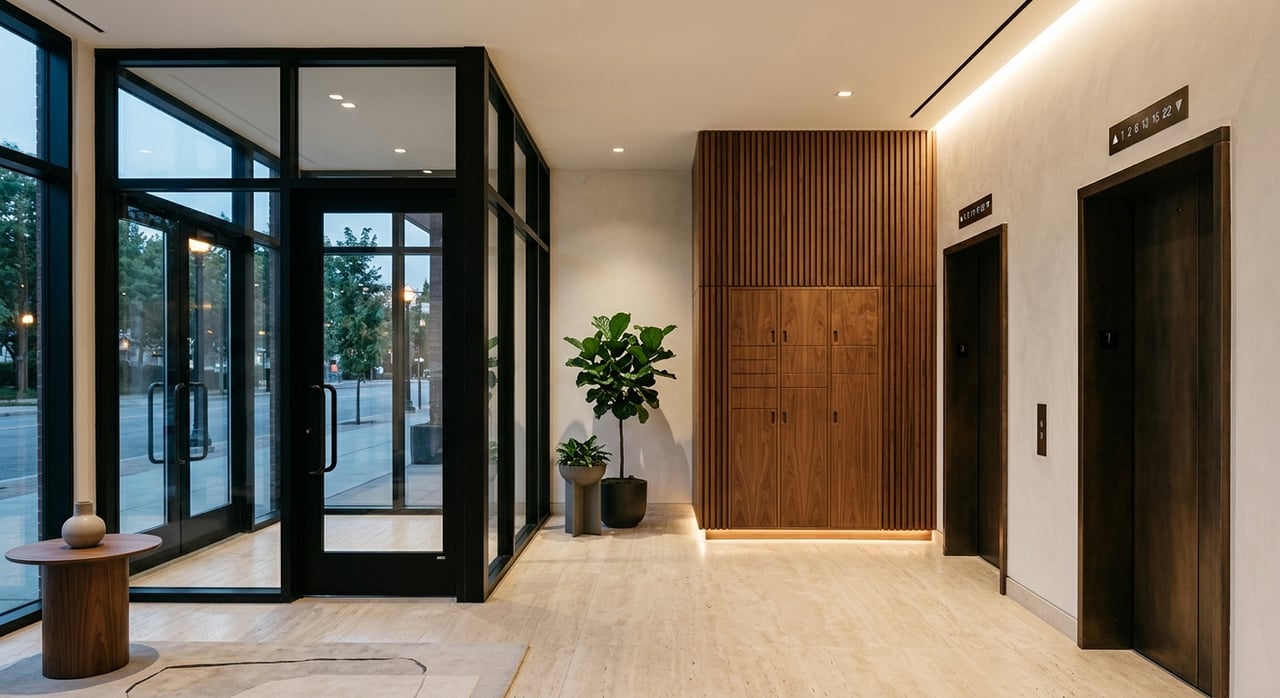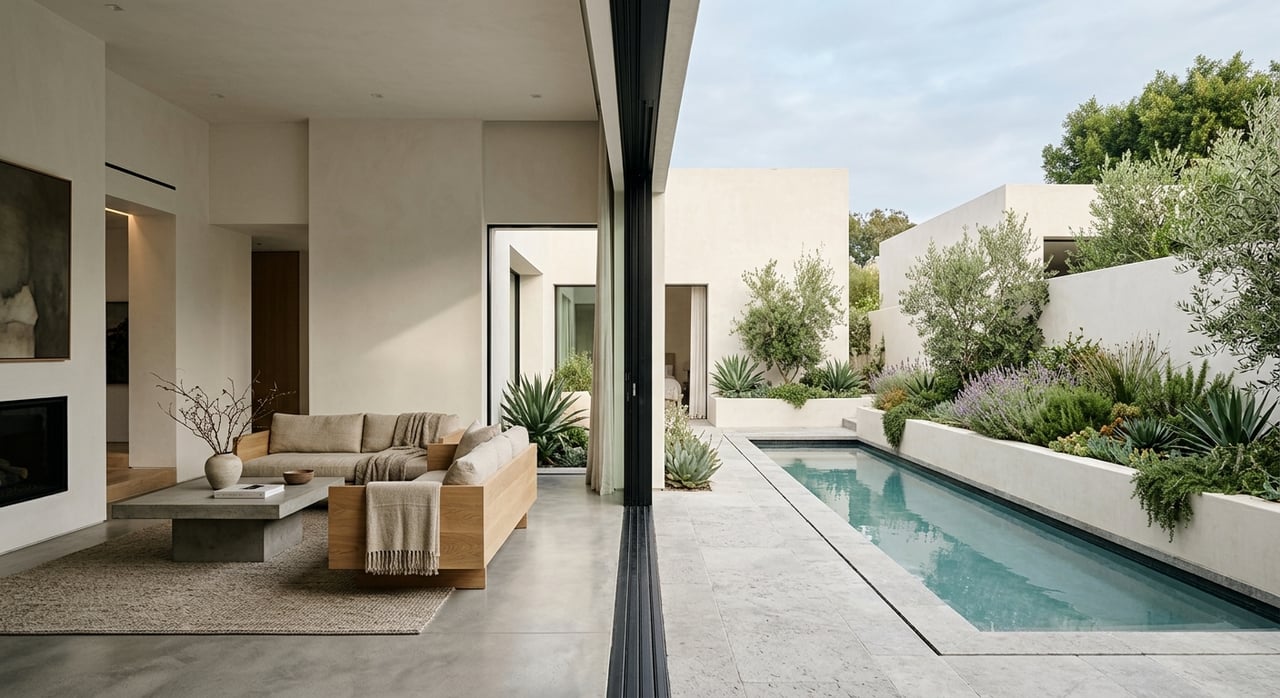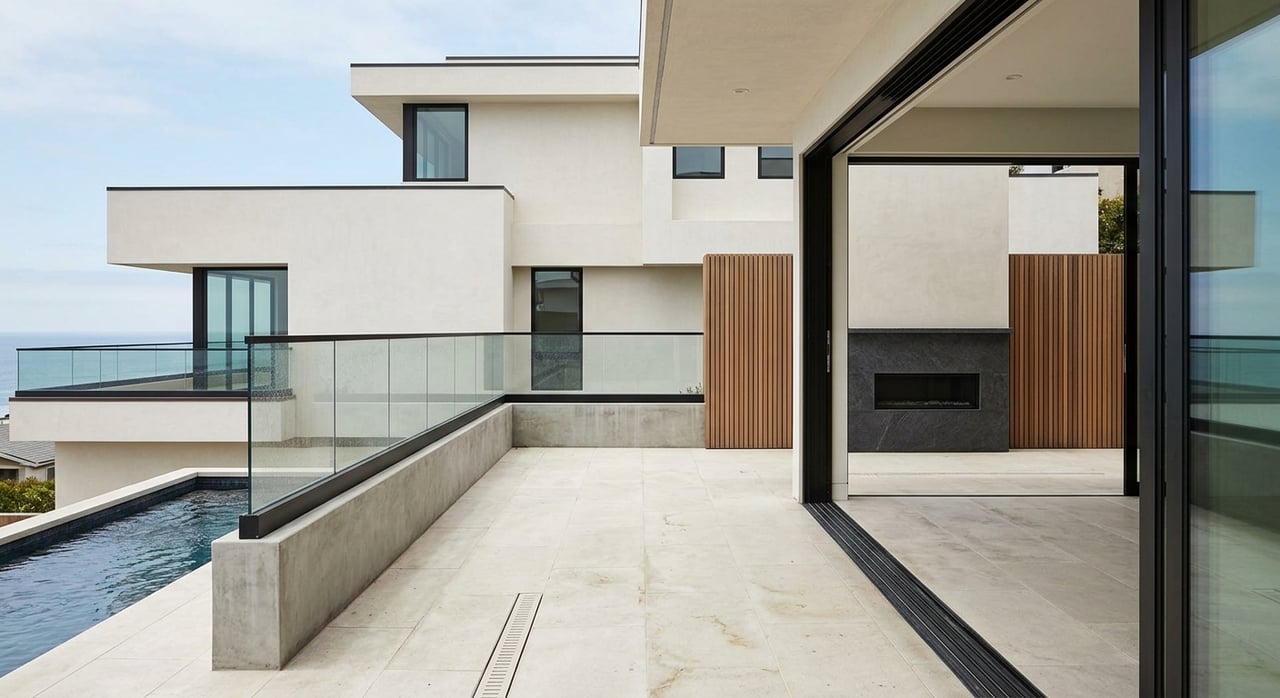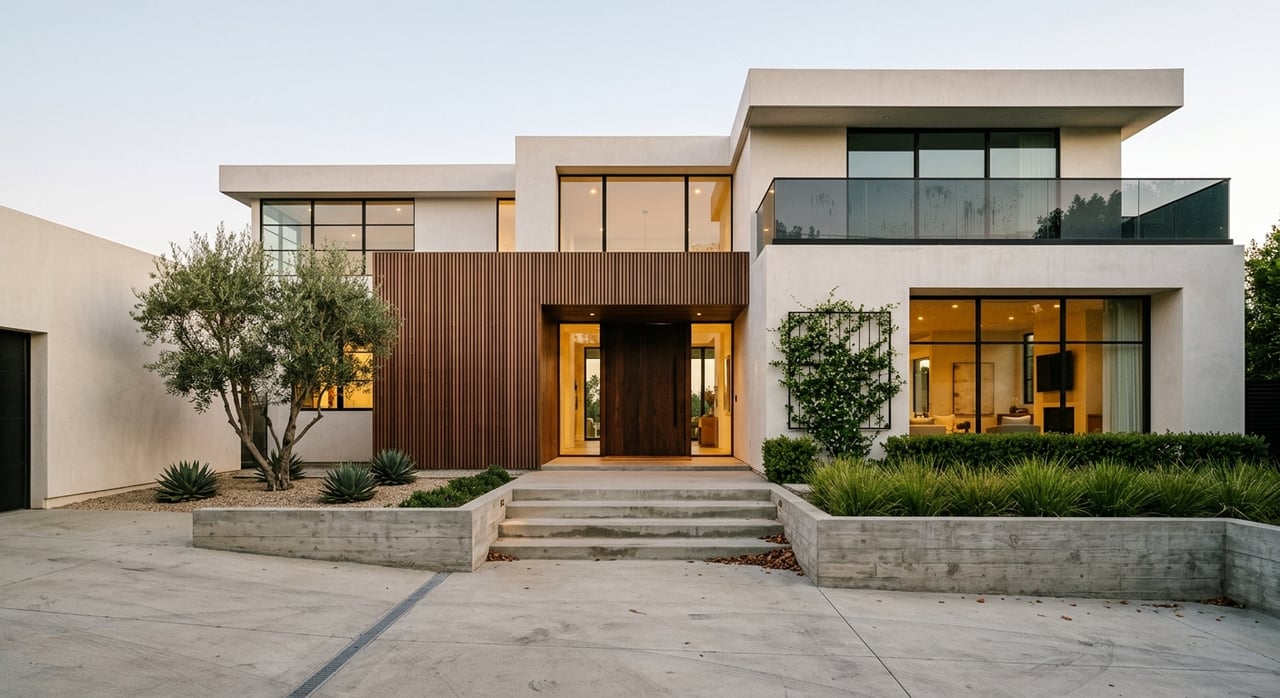
If you are deciding between the Beverly Hills flats and the hills, you are not just choosing an address. You are choosing how you want your home to live day to day, how you want to move through the city, and what kinds of property considerations you are comfortable managing over time. For many buyers, both options are compelling for different reasons. This guide will help you compare the two with more clarity so you can focus on the setting that fits your lifestyle best. Let’s dive in.
What Flats and Hills Mean
In Beverly Hills, “flats” and “hills” are more than casual real estate shorthand. The distinction is rooted in the city’s topography and planning framework.
The city describes areas south of Sunset Boulevard as flat, with a mild 2% to 3% slope and little or no landslide danger. North of Sunset Boulevard, the terrain shifts into steep ridges and narrow ravines, with the city identifying the highest landslide potential in those hillside areas.
From a planning standpoint, Beverly Hills separates single-family property into the Central Area, the Hillside Area, and Trousdale Estates. That framework is often more useful than marketing labels because it reflects how the city regulates development, design, and site conditions.
Why the Flats Appeal
For many buyers, the flats offer a stronger sense of day-to-day ease. If you value central access and a more connected street pattern, the flatter central neighborhoods often feel simpler to navigate.
Beverly Hills notes that the Business Triangle is one of the most pedestrian-friendly areas in the Los Angeles region, and the city is working to expand walkability more broadly. Because the Business Triangle and major boulevards are concentrated in the city’s core, nearby central neighborhoods are generally the most likely to support easier errands, dining, and retail access.
That convenience can shape your routine in subtle but meaningful ways. You may find that quick outings, guest visits, and everyday movement feel more straightforward in the flats.
Flats and daily logistics
The practical side of ownership also tends to be easier to predict in flatter areas. Residential parking rules apply citywide, including preferential parking zones and an overnight parking prohibition from 2:30 a.m. to 5:00 a.m., so parking planning matters wherever you buy.
At the same time, flatter streets can make guest access and service logistics feel more manageable. Beverly Hills also offers temporary no-parking signs to help residents secure space for moving vans and trucks, and residential streets are swept weekly, which are small but useful details to know when planning a move.
Flats and remodeling
If you are considering updates, the Central Area has its own review structure to understand early. Exterior changes visible from the public street are subject to the city’s Design Review process, and the Architectural and Design Review Commission reviews single-family development in the Central Area.
That does not make the flats harder or easier by default. It simply means the renovation path is more visibly structured, especially for street-facing exterior work.
Why the Hills Appeal
The hills offer a different kind of Beverly Hills experience. Many buyers are drawn to the topographic drama, the sense of separation from the street grid below, and the possibility of broader outlooks and view-oriented living.
This part of the city is not defined by convenience in the same way as the flats. Instead, it tends to appeal to buyers who want privacy, distinctive landform, and a more custom estate setting.
The city’s planning language reinforces that difference. Hillside areas north of Sunset are described as rugged, with steep ridges and narrow ravines, which creates a very different physical environment from the flatter central neighborhoods.
Hills and site complexity
That character comes with added site considerations. The city identifies the hillside areas as having the highest landslide potential, and its hazard planning notes that significant hillside movement could isolate canyon populations because of limited ingress and egress routes.
The city’s general plan also points to hillside and canyon conditions that bring wildland fire risk. Beverly Hills maintains vegetation-management programs to reduce that risk, and the city requires fuel modification for new construction and for certain landscaping changes.
In practical terms, hillside ownership may involve more ongoing fire-wise landscape maintenance and a closer look at access, slope, and site conditions. For some buyers, that tradeoff is well worth it. For others, it is an important factor in the decision.
Hills and building rules
The Hillside Area and Trousdale Estates are not subject to the city’s Design Review process in the same way as the Central Area. However, they have their own rules for floor area, height, setbacks, parking, walls, fences, hedges, landscaping, accessory structures, landform alteration, and view preservation.
The city also notes that hillside development is additionally regulated by topography and buildable area, and larger hillside projects can require Planning Commission review. If you are buying with renovation or new construction in mind, the main question is often less about style and more about engineering, grading, and site-specific constraints.
Where Trousdale Fits
Trousdale Estates deserves its own category in this conversation. While some buyers group it generally with the hills, it functions as a distinct hillside enclave with its own development context.
Architecturally, Beverly Hills identifies Trousdale’s 1950s homes with styles such as Mid-century Modern, Contemporary Ranch, and Hollywood Regency. That gives the area a design history that feels different from many other pockets of the city.
Trousdale is also especially important for buyers who care about views and future construction activity. The city adopted construction rules there to regulate parking and heavy trucks, and its view-restoration ordinance addresses foliage that impairs views on neighboring properties.
If you are considering a purchase in Trousdale, it is wise to think beyond the house itself. View corridors, construction logistics, and long-term improvement plans all matter here.
Architecture Is More Nuanced
One of the biggest mistakes buyers make is assuming the flats have one look and the hills have another. Beverly Hills does not have one fixed residential architectural identity.
The city’s historic materials describe a broad mix of period-revival homes, Mid-century Modern houses in Trousdale, and later contemporary redevelopment in both hillside areas and parts of the flats. In other words, architecture is often more specific to the pocket, era, and lot than to a simple flats-versus-hills label.
That is why it helps to look closely at individual streets and subareas. A buyer focused on design should compare not only geography, but also the age of housing stock, remodel patterns, and the likely future character of nearby properties.
Lot Patterns and Build Potential
Lot conditions can shape your decision as much as lifestyle. In the Central Area, the city’s housing element table lists minimum lot sizes of 13,000 square feet north of Santa Monica Boulevard and 7,500 square feet south of Santa Monica Boulevard, with height limits that vary by location and roof form.
In hillside areas, the build envelope is more directly shaped by topography and buildable area. That means two properties with similar square footage on paper may offer very different long-term flexibility depending on slope and site constraints.
If you plan to expand, rework the exterior, or rebuild in the future, this is one of the most important comparisons to make before you buy. A beautiful property can still be the wrong fit if the approval path or site conditions do not match your goals.
How to Choose the Right Fit
The best choice is usually not about which area is “better.” It is about which tradeoffs align with the way you want to live.
You may prefer the flats if you value:
- Easier day-to-day access
- Closer connection to walkable amenities
- A more central neighborhood feel
- A review path for visible exterior changes that is more defined from the start
You may prefer the hills if you value:
- More privacy
- Views or elevated outlooks
- Distinct topographic character
- A more custom estate setting with comfort around slope, fire-wise maintenance, and access considerations
For many luxury buyers, the right answer becomes clear once you match the home search to your daily rhythm. If your priority is effortless movement and centrality, the flats often stand out. If your priority is privacy, landform, and a more dramatic setting, the hills may feel more compelling.
A Smart Way to Compare
When touring Beverly Hills, it helps to compare properties through two lenses at the same time. First, consider lifestyle: how easily you can move through your day, host guests, and access the places you visit most.
Second, consider ownership logistics: parking realities, review processes, renovation goals, site maintenance, and how the physical lot may affect your long-term plans. In Beverly Hills, those details can matter just as much as square footage or finishes.
A well-informed purchase here is rarely just about the house. It is about the full experience of owning it.
If you are weighing Beverly Hills flats versus hills, a tailored search can save time and sharpen the decision quickly. For discreet guidance, curated property access, and a more design-conscious approach to the Beverly Hills market, connect with Joslin Cuthbertson.
FAQs
What is the difference between Beverly Hills flats and hills?
- The main difference is topography. Areas south of Sunset Boulevard are generally flatter, while areas north of Sunset Boulevard are hillside neighborhoods with steeper terrain and more site-specific development considerations.
Are Beverly Hills flats more walkable than the hills?
- In general, the flatter central neighborhoods are better positioned for walkable access to the Business Triangle and nearby commercial areas, based on the city’s walkability planning and street pattern.
Do Beverly Hills hillside homes have different building rules?
- Yes. Hillside properties and Trousdale Estates are not subject to the same Design Review process as the Central Area, but they have their own rules related to height, setbacks, landscaping, parking, landform alteration, and view preservation.
Is Trousdale Estates part of the Beverly Hills hills?
- Many buyers discuss Trousdale as part of the hillside market, but it is best understood as its own distinct hillside enclave with separate construction and view-related considerations.
Are Beverly Hills hillside homes harder to maintain?
- They can involve more site-related upkeep because the city identifies hillside areas with higher landslide potential and wildland fire risk, and certain properties may need ongoing fire-wise landscaping and fuel-modification compliance.
Should you choose Beverly Hills flats or hills if you plan to remodel?
- It depends on your goals. Central Area homes usually involve a more defined Design Review path for visible exterior changes, while hillside homes may avoid that review but often require closer attention to topography, engineering, grading, and site-specific rules.