When you picture Malibu living, are you imagining sunrise coffee above the shoreline or stepping straight onto the sand? In Malibu, that choice shapes far more than your view. It influences your privacy, your daily routine, your maintenance needs, and even how a property can be improved over time. If you are weighing bluff-top versus beachfront living, understanding those tradeoffs early can help you buy with more clarity and confidence. Let’s dive in.
Malibu Setting Matters
Malibu stretches across 21 miles of coastline, and the entire city sits within the California coastal zone. That means coastal development rules, access requirements, and site-specific review play a major role in how properties are used, maintained, and updated.
The city also describes Malibu as a coastal hillside community with steep hillsides, coastal bluffs, and low-lying coastal areas. In practical terms, two homes in the same Malibu ZIP code can offer very different ownership experiences depending on whether they sit above the shoreline or directly beside it.
Bluff-Top Living in Malibu
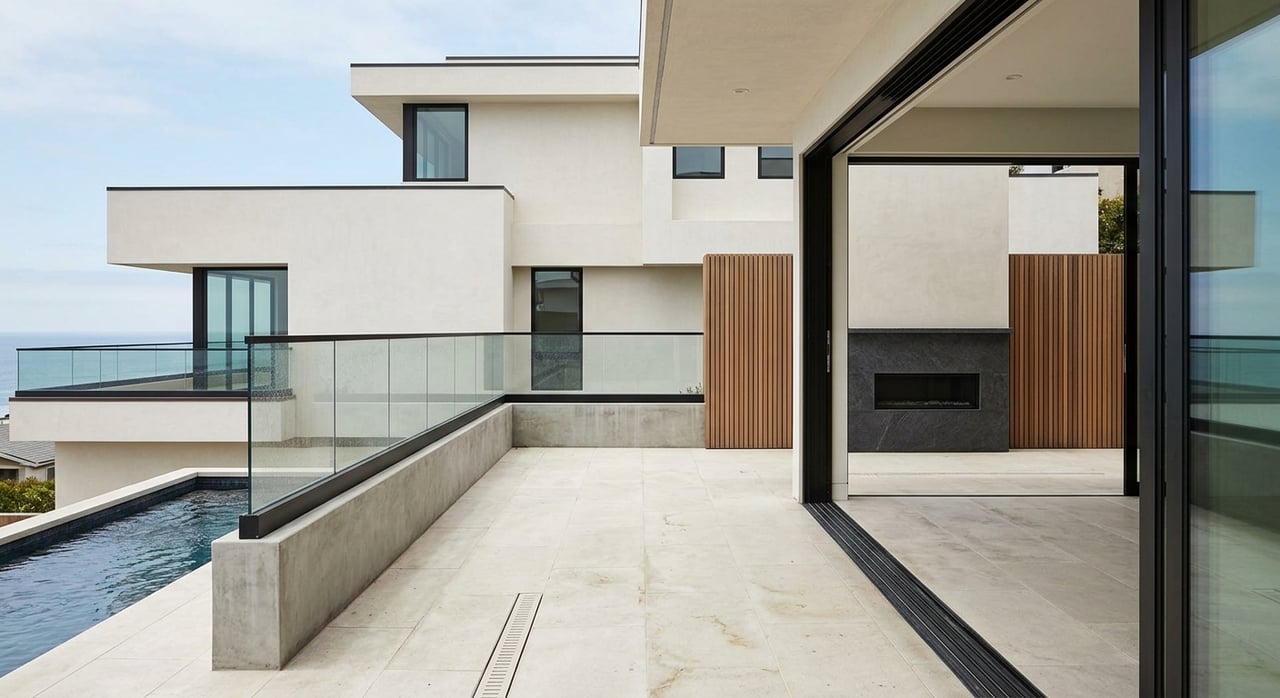
Bluff-top living often appeals to buyers who want a more elevated, retreat-like feel. You are typically removed from the sand itself, which can create a quieter arrival experience and a greater sense of separation from beach activity.
That distance does not always mean the beach is far away. In many parts of Malibu, access may still be nearby through stairs, paths, or other vertical access routes, but the day-to-day feeling is different from living directly on the shoreline.
What the Lifestyle Feels Like
A bluff-top home often emphasizes outlook and privacy. You may enjoy broad coastal views, more visual separation from public beach activity, and a stronger sense that home is a place to retreat rather than a place fully merged with the beach.
For many second-home buyers and relocating executives, that distinction matters. Bluff living can feel calmer and more removed, even when the ocean remains central to the property’s identity.
What to Know About the Site
Bluff properties are not just view properties. Malibu’s safety planning makes clear that coastal erosion can weaken bluff edges, poor drainage can worsen erosion, and erosion can affect the ground beneath structures.
That means bluff-top ownership often comes with attention to setbacks, drainage, slope conditions, and long-term bluff stability. If you are evaluating one of these homes, the engineering side of the property matters almost as much as the architecture.
Development and Improvement Limits
Malibu’s Local Coastal Program treats bluff areas differently from true beachfront parcels. It states that no new structures or reconstruction are permitted on a bluff face except for limited cases such as stairways or accessways, routine repair, or replacement after disaster.
For buyers, that is important context. A bluff-top property may offer dramatic setting and privacy, but future changes to the site can be shaped by stricter coastal and topographic considerations.
Beachfront Living in Malibu
Beachfront living offers the most immediate version of the Malibu experience. You are not driving to the beach or planning a beach day. The beach becomes part of your daily routine, whether that means early walks, direct surf access, or simply living with the rhythm of the shoreline outside your door.
That immediacy is the core appeal. It is immersive, tactile, and hard to replicate anywhere else on the coast.
What the Lifestyle Feels Like
Beachfront homes place you in a more public-facing shoreline context. Malibu notes that many local beaches are narrow stretches along beachfront homes, coastal bluffs, and Pacific Coast Highway, with wider sandy areas concentrated in places such as Zuma/Westward Beach, Point Dume State Beach, and Surfrider Beach.
In other words, beachfront life in Malibu can feel intimate and direct, but not always secluded. The beach is part of daily life, and depending on the location, public access patterns may be part of that experience too.
Public Access Is Part of the Reality
One of the biggest misconceptions about Malibu beachfront ownership is that it always means total exclusivity. Malibu’s coastal rules place strong emphasis on public access, including lateral beach access, vertical access from streets or bluffs, and bluff-top trails.
The city’s planning framework also states that development should not interfere with the public’s right of access to the sea. In areas like Carbon Beach, private homes may sit beside public accessways and easements tied to the mean high tide line. That means your shoreline experience may include a shared public-private edge rather than complete separation.
Beachfront Building Is More Exposed
Beachfront homes are shaped by direct ocean exposure. Malibu’s adopted safety element says that development on beaches or lower bluffs can face more frequent coastal erosion and flooding, and that oceanfront property may be affected by tidal inundation depending on floor elevation and utility layout.
The city also notes that access roads to beachfront development may become exposed to erosion as sea levels rise. That is one reason beachfront projects often involve more technical review and more layered planning than a typical inland luxury property.
Maintenance and Risk Tradeoffs
Both settings come with real coastal considerations. Malibu’s safety element states that the entire shoreline, including both beaches and bluffs, is subject to coastal erosion, and that all beaches in Malibu are at risk from sea-level rise.
So the better question is usually not which option is risk-free. It is which set of ownership demands better fits your lifestyle, tolerance, and long-term goals.
Bluff-Top Maintenance Profile
Bluff-top homes may avoid some of the direct salt and sand exposure that comes with living beside breaking waves. That can reduce certain wear patterns tied to corrosion and constant beach conditions.
Still, bluff properties are not low-maintenance by default. Drainage, slope performance, erosion patterns, and bluff stability remain central concerns, and they should be part of your due diligence from the start.
Beachfront Maintenance Profile
Beachfront ownership usually brings more direct environmental wear. Malibu’s safety element notes that beachfront parcels may face onsite septic issues as rising groundwater levels accompany sea-level rise.
The research also shows that salt spray from breaking waves and onshore winds can accelerate corrosion in coastal areas, with the strongest exposure nearest the surf. That helps explain why true beachfront homes often demand more active maintenance than bluff-top homes.
Malibu Hazards Are Citywide
It is easy to assume elevation solves every problem, but Malibu’s hazard profile is broader than that. The city’s safety planning addresses wildfire risk, geotechnical safety, climate adaptation, and evacuation planning across steep hillsides, coastal bluffs, and low-lying coastal areas.
A bluff-top home may offer elevation and privacy, but it is not automatically safer in every respect. A beachfront home may deliver unmatched access, but it also sits closer to flooding and tidal exposure. Each setting requires a clear-eyed review.
How Regulations Affect Ownership
In Malibu, lifestyle and regulation are closely connected. The city’s coastal framework treats shoreline access, recreation, and development review as ongoing priorities, not side issues.
That matters because practical convenience is shaped by more than just the location of the house. The Local Coastal Program notes that beach access depends on factors like parking, transit, restrooms, and user conflicts, not simply physical proximity to the water.
For buyers, this means one beachfront home may feel highly active due to nearby access patterns, while a bluff-top property may feel more removed even if the shoreline is close. Understanding the specific setting is essential.
Which Malibu Setting Fits You Best?
If you are drawn to privacy, elevated views, and a quieter residential feel, bluff-top living may be the better fit. It often suits buyers who want Malibu’s coastal beauty with more separation from daily beach traffic and who are comfortable with the realities of drainage, erosion, and site-specific coastal review.
If you are drawn to direct sand access and a fully immersive beach routine, beachfront living may be the stronger match. It often suits buyers who value immediacy and are willing to accept more exposure to public access complexity, salt air, shoreline change, and maintenance.
Neither option is universally better. In Malibu, the strongest purchase decisions usually come from aligning the property with the way you actually want to live.
A Smarter Way to Compare Malibu Homes
When you tour bluff-top and beachfront homes, it helps to compare them through a practical lens. Ask yourself:
- How much privacy do you want day to day?
- Do you want the beach as a destination or as part of your daily routine?
- How comfortable are you with higher maintenance tied to salt, sand, and ocean exposure?
- How important is long-term flexibility for future improvements?
- Do you prefer an elevated retreat feeling or an at-the-water-edge lifestyle?
Those questions often reveal more than price or square footage alone. In Malibu, fit matters.
If you want a discreet, design-minded perspective on Malibu coastal properties, Joslin Cuthbertson offers private-client guidance tailored to how you live, what you value, and how you want your next move to feel.
FAQs
What is the difference between bluff-top and beachfront living in Malibu?
- Bluff-top living usually offers more elevation, separation, and retreat-like privacy, while beachfront living offers direct access to the sand and a more immersive shoreline lifestyle.
Is bluff-top living in Malibu safer than beachfront living?
- No. Malibu’s safety planning shows that both bluffs and beaches face coastal erosion, while beachfront parcels may also face flooding and tidal inundation and bluff properties may face erosion and slope instability.
Is Malibu beachfront property always private?
- No. Malibu’s coastal access rules and shoreline easements mean some beachfront areas include public accessways and shared shoreline realities.
Which Malibu homes usually require more maintenance?
- Beachfront homes often require more maintenance because they face more direct salt spray, corrosion, flooding exposure, and shoreline-related issues.
Do Malibu bluff properties have building restrictions?
- Yes. Malibu’s Local Coastal Program places important limits on bluff-face structures and treats bluff development differently from other property settings.
How should you choose between bluff-top and beachfront homes in Malibu?
- The best choice depends on whether you value a quieter elevated setting or direct daily beach access, along with your comfort level for maintenance, permitting complexity, and coastal exposure.