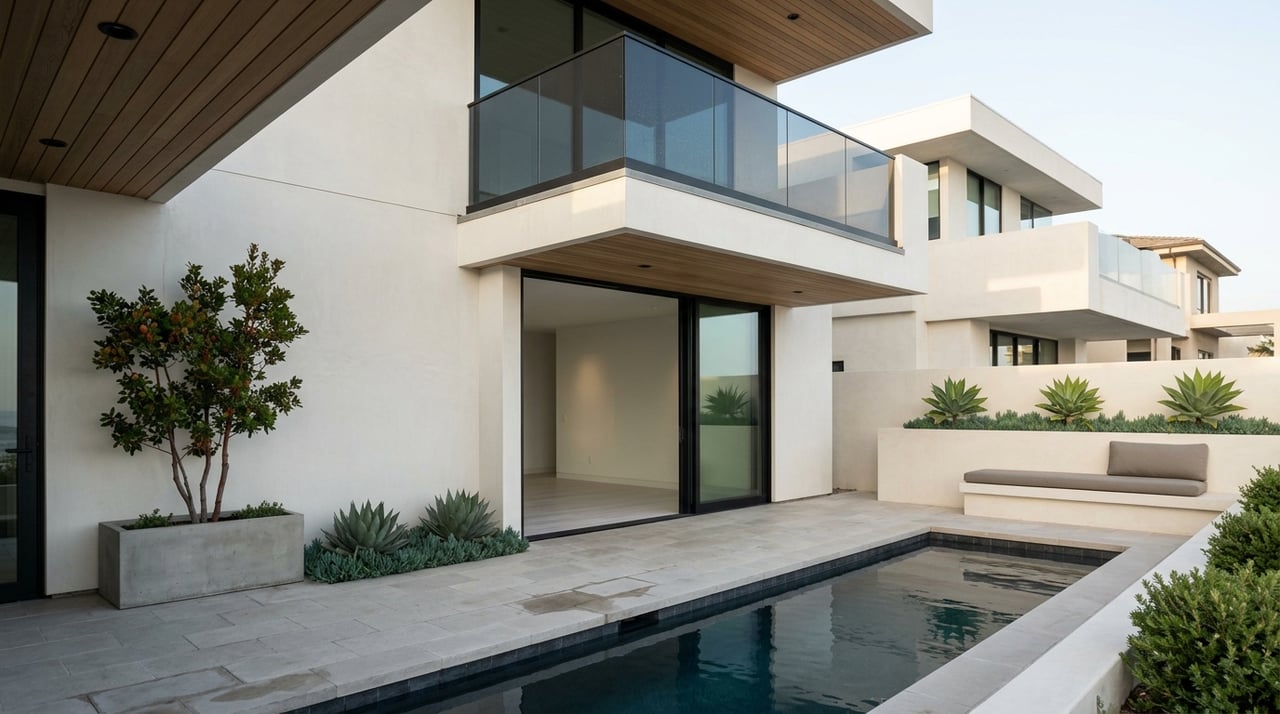
If you are considering a second home in Malibu, the real question is not whether the coastline is compelling. It is whether the property you choose fits how you actually plan to use it. Between pricing differences by micro-location, coastal permitting rules, rental restrictions, and long-term resilience concerns, Malibu rewards buyers who look beyond the view. This guide will help you focus on the issues that matter most before you buy. Let’s dive in.
Malibu Market Snapshot
Malibu remains a luxury market with limited supply, but current conditions suggest more room for negotiation than many buyers expect. As of February 2026, Realtor.com’s Malibu market overview shows a median listing price of $5.675 million, a 94% sale-to-list ratio, and a median 97 days on market. The same report characterizes Malibu as a buyer’s market.
That matters if you are buying a second home with flexibility in timing. A market with longer listing exposure can create opportunities to negotiate on price, terms, or due diligence timelines. In a place as nuanced as Malibu, that extra time can be valuable.
Malibu Varies by Coast Segment
One of the most important things to understand is that Malibu is not a single pricing story. Current listing data show meaningful differences across areas such as Point Dume, Malibu Park, Western Malibu, Central Malibu, Eastern Malibu, and Trancas Canyon. Your ideal location depends on how you want to use the home, not just on your budget.
Here is the current pricing spread from Realtor.com’s Malibu overview:
- Point Dume: $10.85M median listing price
- Malibu Park: $9.275M
- Western Malibu: $8.0M
- Central Malibu: $7.3812M
- Eastern Malibu: $6.995M
- Trancas Canyon: $3.919M
Rental pricing varies as well:
- Central Malibu: $29,625 per month
- Western Malibu: $29,000 per month
- Malibu Park: $25,000 per month
- Point Dume: $20,000 per month
- Eastern Malibu: $14,000 per month
- Trancas Canyon: $12,225 per month
For second-home buyers, this pricing spread helps frame the search in a practical way. Some buyers want a highly coastal setting with easy access to the water and entertaining appeal. Others want a more flexible entry point into Malibu ownership while still enjoying the broader coastal lifestyle.
Start With Your Use Case
Before you tour property, define how the home will function in your life. A second home used mainly for private weekends has a different profile than one intended for seasonal stays, occasional rentals, or frequent entertaining. In Malibu, those differences can shape which properties deserve serious attention.
Ask yourself:
- Will you use the home personally most of the year, or only part-time?
- Is rental income part of the plan?
- Do you want a guesthouse, ADU, pool, or other accessory structures?
- Will you host gatherings that may require permits?
- Are you comfortable with a property that may need more insurance and maintenance planning?
A clear use case helps you make better decisions faster. It also helps your advisory team screen out homes that look appealing online but do not fit your goals in practice.
Coastal Rules Affect Ownership
In Malibu, coastal regulation is central to ownership. The city states that the entire city lies within the California Coastal Zone, and development is governed by Malibu’s Local Coastal Program and ADU guidance. If you are considering renovations, a guesthouse concept, or any future improvements, that should be part of your evaluation from the start.
For beachfront and blufftop properties, the rules become especially important. Malibu’s Local Coastal Program policies require new shoreline development to account for sea level rise and to be located outside hazard areas over a projected 100-year economic life. Where avoidance is not feasible, development must be elevated above base flood elevation and set back as far landward as possible, with a minimum 10-foot setback landward of the surveyed mean high tide line.
For blufftop development, required setbacks must protect the structure over a projected 100-year life plus a geologic safety factor of 1.5. The setback can never be less than 100 feet, although it may be reduced to 50 feet if the city geologist recommends it and the 100-year standard is still met. These standards can apply not only to the residence itself but also to accessory features such as pools, guesthouses, tennis courts, cabanas, and septic systems.
Think Beyond the Main House
A common mistake in second-home purchases is focusing only on the existing residence. In Malibu, accessory improvements can carry meaningful regulatory and physical-site implications. That includes items many buyers think of as lifestyle features rather than development issues.
According to Malibu’s Local Coastal Program policies, shoreline protection is regulated and is not automatically allowed simply because erosion becomes a concern. The city also notes that shoreline protection may not be built solely to protect ancillary or accessory structures, and certain features such as patios, pools, stairs, landscaping, and cabanas may need to be removed or relocated if bluff failure or erosion threatens them.
If your vision includes expanding the home over time, the details matter. An ADU or guesthouse concept may still need to comply with both state law and Malibu’s coastal rules, and the city notes it is still updating portions of its ADU framework in 2026. This is one reason a second-home purchase in Malibu benefits from disciplined front-end due diligence.
Rental Plans Need Verification
Many buyers want the option to offset carrying costs through occasional rentals. Malibu can support that idea, but only when the property and the owner’s intended use comply with city rules. You should confirm the legal path before making rental income part of your purchase assumptions.
The city’s short-term rental page states that advertising or operating a residential property as a short-term rental without a permit is a violation. The fine is $1,000 per day or twice the advertised daily rental rate, whichever is higher. As of January 1, 2023, short-term rental permits also require a valid OWTS operating permit or a compliance agreement.
The tax side is also straightforward. Malibu’s transient occupancy tax form states that the city’s TOT is 15% of taxable rents and applies to occupancies of 30 consecutive days or less. If rental use is part of your strategy, the investment analysis should include permitting, wastewater compliance, and tax obligations, not just projected nightly or monthly rates.
Malibu Still Shows Rental Demand
Even with those rules, Malibu’s rental market remains notable. Realtor.com’s Malibu overview reports 245 rental listings and a citywide median rent of $19,500 per month as of February 2026. Rental pricing also varies sharply by area, which reinforces the importance of choosing the right micro-location.
For a second-home buyer, that does not mean every property is equally suited for income use. It does mean Malibu continues to show measurable demand in the luxury rental space. If rental flexibility matters to you, location and compliance should be reviewed together, not separately.
Events and Entertaining Can Trigger Permits
If you picture your Malibu home as a place for hosted dinners, celebrations, or branded gatherings, event rules deserve attention. The city’s Special Event Permit guidance says a permit is required for many events in residential zones, including events with 100 or more people, events with admission fees, public advertising, product promotion, or activity intended to attract media or paparazzi.
The city also states that if a location rented for 30 days or fewer will host 15 or more people, a special event permit is required. For second-home buyers who entertain often, this is an important operational detail. A home that seems perfect for gatherings may come with more administrative requirements than expected.
Resilience Should Be Part of Due Diligence
Malibu ownership comes with environmental considerations that should be evaluated early, not after closing. The California Coastal Commission’s sea level rise guidance notes that coastal hazards can include flooding, inundation, wave impacts, erosion, changes in sediment dynamics, and saltwater intrusion. In a market where some homes sit close to the shoreline or on bluffs, those factors can directly affect long-term planning.
This is why geotechnical review and hazard analysis matter. If a property is oceanfront, blufftop, or otherwise exposed to coastal processes, you want clear information on present conditions and long-term implications. The purchase decision should reflect not just current enjoyment, but also the practical realities of maintenance and future work.
Flood and Fire Readiness Matter
Flood-zone review is another essential step. Malibu’s floodplain management page explains that the city participates in FEMA’s National Flood Insurance Program and reviews mapped flood-zone projects for compliance. In some cases, structures may need to be elevated above base flood elevation and supported by a FEMA Elevation Certificate.
Wildfire planning belongs in the same conversation. Malibu’s emergency information page states that the city uses four official evacuation zones, MAL-C111 through MAL-C114, and that evacuation orders may be issued for fire, earthquake, flooding, or landslides. For a second-home owner, road access, evacuation timing, and preparedness are practical ownership issues, especially if the property will not be occupied year-round.
Insurance also deserves early attention. The California Department of Insurance describes the FAIR Plan as the state’s property insurance safety net. For Malibu buyers, that is a useful reminder that underwriting can be more involved in areas where wildfire exposure and coastal risk overlap.
Questions to Ask Before You Buy
The right property is not just the one with the best architecture or strongest view. It is the one that aligns with your intended use, your tolerance for complexity, and your long-term ownership plan. In Malibu, that means asking sharper questions before you commit.
Use this checklist with your advisory team:
- Is the property oceanfront, blufftop, or within a mapped hazard area?
- What do the geotechnical and setback findings show for the house and accessory structures?
- Does the property use an onsite wastewater treatment system, and are permits current?
- If you want rental income, is short-term rental use legally permitted here?
- What insurance options and premium assumptions are realistic today?
- What is the property’s evacuation zone and likely egress pattern in an emergency?
- Would a remodel, ADU, guesthouse, or shoreline work trigger a new coastal permit?
- If you plan to entertain, could recurring events require a Special Event Permit?
For many second-home buyers, the best purchase is the one that feels simple to own after the glamour of the showing fades. The more thoroughly you answer these questions up front, the more confidently you can move.
A Smarter Malibu Second-Home Search
Malibu offers a rare mix of coastline, privacy, and prestige, but it is also a market where details matter. Pricing varies widely by area, rental assumptions need verification, and coastal ownership rules can shape everything from renovations to long-term resilience planning. A disciplined search helps you protect both lifestyle and capital.
If you want discreet guidance on evaluating Malibu coastal properties, from market positioning to off-market opportunities and white-glove coordination, connect with Joslin Cuthbertson. The right second home should feel exceptional to own, not complicated to navigate.
FAQs
What makes Malibu different for second-home buyers?
- Malibu combines luxury pricing with strict coastal regulations, rental rules, hazard review, and insurance considerations that can materially affect how you use and maintain a property.
What is the current Malibu housing market like in 2026?
- As of February 2026, Realtor.com reports Malibu as a buyer’s market with a median listing price of $5.675 million, a 94% sale-to-list ratio, and 97 median days on market.
Which Malibu areas have the highest listing prices right now?
- Based on current Realtor.com data, Point Dume has the highest median listing price at $10.85 million, followed by Malibu Park at $9.275 million and Western Malibu at $8.0 million.
Can you rent out a second home in Malibu short term?
- Yes, but only if you comply with Malibu’s permit requirements, wastewater system rules where applicable, and local tax obligations for stays of 30 consecutive days or less.
What is Malibu’s short-term rental tax rate?
- Malibu’s transient occupancy tax is 15% of taxable rents for occupancies of 30 consecutive days or less.
Do Malibu coastal homes have special building or setback rules?
- Yes, Malibu’s Local Coastal Program includes specific standards for shoreline and blufftop development, including setbacks, hazard review, and sea-level-rise considerations.
Why should Malibu buyers check flood and wildfire conditions before closing?
- Flood-zone compliance, evacuation planning, and insurance availability can affect ownership costs, safety planning, and future property decisions in Malibu.
What services can help with a Malibu second-home purchase?
- A buyer may benefit from luxury buyer representation, curated private listing access, valuation guidance, and concierge-style coordination throughout the acquisition process.